Tipped Minimum Wage in Connecticut (2026)
Connecticut splits its tipped-wage rules by job. Hotel and restaurant servers get $6.38 an hour in cash with a $10.56 tip credit against the $16.94 minimum; bartenders who customarily receive tips get their own numbers — $8.23 in cash, $8.71 in credit. Both sets are adjusted by formula every year. Here is how the dual-rate system works, which rate is legally yours, and where the weekly math catches employers out.
By the TippedPay editorial team · Updated $1
Key numbers at a glance
| Rule | Federal | Connecticut (2026) |
|---|---|---|
| Full minimum wage | $7.25 | $16.94 — more than double |
| Tipped cash wage | $2.13 | $6.38 hotel/restaurant; $8.23 bartenders |
| Maximum tip credit | $5.12 | $10.56 hotel/restaurant; $8.71 bartenders |
| Top-up when tips fall short | To $7.25, every workweek | To $16.94, every workweek |
How Connecticut tipped pay works
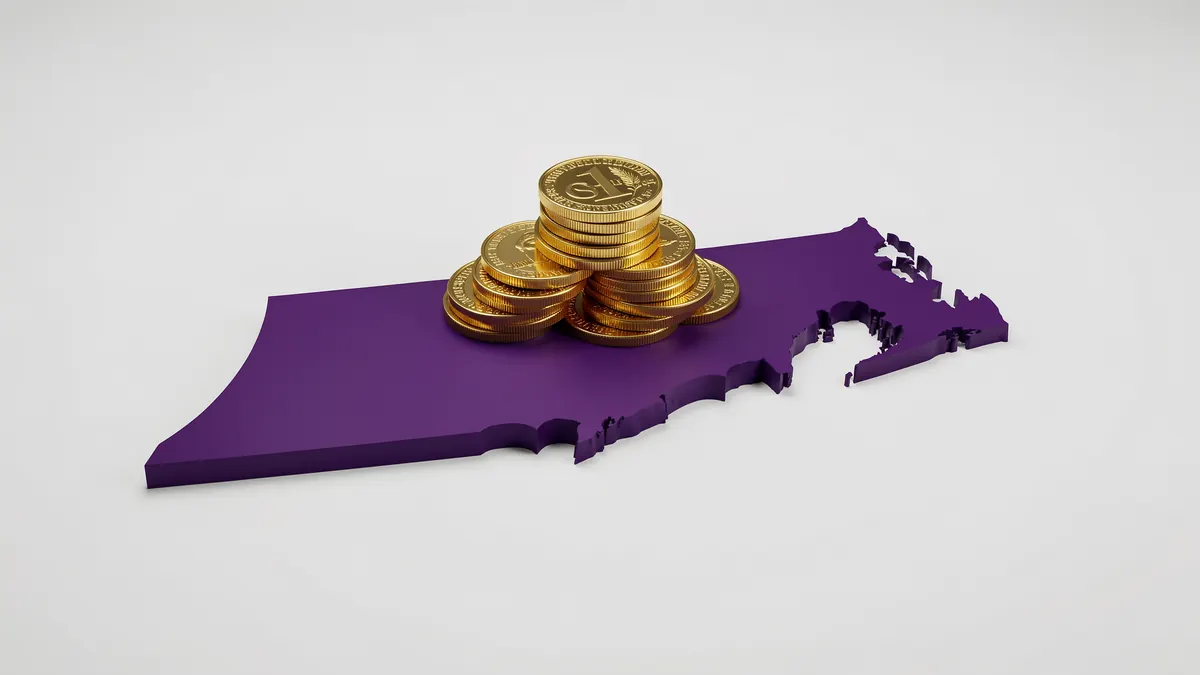
Connecticut is a tip-credit state with industry-specific rates. For the hotel and restaurant industry — the rate that covers most servers — the employer pays a $6.38/hour cash wage and may take a tip credit of up to $10.56 against the $16.94 state minimum. Those are the figures per the U.S. Department of Labor table, July 2026. Your tips legally cover the gap. If cash wage plus tips average at least $16.94 for every hour of the workweek, the employer owes nothing beyond the $6.38. The workweek is the unit of measurement: no averaging across weeks, and within one week a strong Saturday cannot subsidize a dead Tuesday.
The safety net is the top-up rule. If your tips don't bring you to $16.94 in a given workweek, the employer must pay the difference — every hour of every week lands at the full state minimum or better. Numbers make it concrete: 30 hours at $6.38 is $191.40 from the employer, and the weekly floor is 30 × $16.94 = $508.20. Keep $400 in tips and you're at $591.40 — well clear. Keep only $250 and cash plus tips is $441.40, short by $66.80, which must appear on the check as make-up pay. Our server paycheck calculator runs this check against your own hours and tips in seconds.
One more Connecticut habit matters: the rates are adjusted by formula annually, so the $6.38, the $8.23 and the $16.94 all move over time rather than sitting still in statute. A payroll system running last year's numbers is the most common source of short checks in the state — confirm the current figures before you compare paychecks with coworkers, and see how Connecticut's dual system stacks up nationally on the tipped minimum wage by state table.
Which Connecticut rate applies to you
The hotel and restaurant rate ($6.38 cash, $10.56 credit) and the bartender rate ($8.23 cash, $8.71 credit) both chase the same $16.94 minimum — the split is only about how much of it must arrive as cash. The bartender rate covers bartenders who customarily receive tips, not everyone who works near a bar. A server who occasionally grabs drinks from the well is still on the hotel and restaurant rate; the bartender classification turns on whether guests customarily tip you directly at your own station. Misclassification cuts both ways, so know which line of the payroll you belong on before signing anything.
Connecticut vs. the federal $2.13 system
| Rule | Federal | Connecticut (2026) |
|---|---|---|
| Full minimum wage | $7.25 | $16.94 — more than double |
| Tipped cash wage | $2.13 | $6.38 hotel/restaurant; $8.23 bartenders |
| Maximum tip credit | $5.12 | $10.56 hotel/restaurant; $8.71 bartenders |
| Top-up when tips fall short | To $7.25, every workweek | To $16.94, every workweek |
| Overtime basis | Full minimum, not the cash wage | Full $16.94 minimum — OT cash ≈ $14.85 (restaurant) / $16.70 (bar) |
| Rate adjustments | None — frozen since 2009 | Adjusted by formula annually |
The table shows Connecticut's double character: a minimum wage near the top of the country paired with tip credits larger than the federal one. Compared with a state like Colorado, where only $3.02 of the wage can ride on tips, a Connecticut employer counts roughly two-thirds of a server's minimum toward tips — but the guaranteed floor is still $16.94 an hour once tips are in.

What Connecticut servers should watch
Your classification. The $2-an-hour gap between the server and bartender cash wages makes misclassification a real money question. Check which rate your paycheck actually uses, not what your job title implies.
The top-up, checked weekly. Your floor is $16.94 an hour. If a snowy January week leaves tips thin, the make-up pay is owed automatically for that workweek — a strong week cannot legally cover it.
Overtime math. Overtime in Connecticut is based on the full $16.94 minimum, not the cash wage: the OT cash rate = cash wage + 0.5 × full minimum ≈ $14.85/hour for hotel and restaurant staff, ≈ $16.70 for bartenders, plus your tips. An employer paying time-and-a-half on $6.38 is shorting every overtime hour. The overtime calculator shows the exact number for your week.
Tip pool membership. Tip pools are legal for employees only, never managers. A supervisor taking a share of the pool is the classic violation, and it is the one that can void the employer's tip credit — jumping every affected server's cash wage to the full $16.94 minimum.
FAQ
What is the tipped minimum wage in Connecticut in 2026?
For the hotel and restaurant industry, $6.38 per hour in cash wages with a tip credit of up to $10.56 against the $16.94 state minimum. Bartenders who customarily receive tips have their own rate: $8.23 cash with an $8.71 credit.
Why do Connecticut bartenders have a different tipped rate?
Connecticut sets tipped rates by industry. Hotel and restaurant employees get $6.38 in cash with a $10.56 credit; bartenders who customarily receive tips get $8.23 in cash with an $8.71 credit — both measured against the same $16.94 minimum.
What happens if my tips don't reach $16.94 an hour in Connecticut?
The employer must top up the difference for that workweek, bringing your total to the full $16.94 minimum for every hour. The check happens weekly — a strong week cannot cover a slow one.
How is overtime calculated for tipped employees in Connecticut?
Overtime is based on the full $16.94 minimum, not the cash wage. The OT cash rate = cash wage + 0.5 × full minimum — about $14.85 for hotel and restaurant staff, about $16.70 for bartenders — plus your tips.
Do Connecticut's tipped rates change every year?
The rates are adjusted by formula annually, so the cash wages and credits can move each year alongside the minimum. Verify the current figures against the Department of Labor table before running your numbers.
Can managers take part in a tip pool in Connecticut?
No. Tip pools are for employees only — managers and supervisors may never keep any share of tipped employees' tips.